Support after diagnosis. Help between appointments. Connection around the person.
Living with a long-term condition is not just about medical appointments.
It is also about the days, weeks and months in between — when people and families are trying to understand what has changed, what to do next, who to trust and where to find the right support.
NexaGen helps connect that support.

Our aim is to bring together healthcare, primary care, trusted charities, community organisations and practical help around the person.
Starting with Parkinson’s and neurology, we are building a better way for people to feel supported after diagnosis and less alone between appointments and more confident about what comes next.
People should not have to join the dots alone.
A diagnosis can change everything.
People may leave an appointment with information, but still have many unanswered questions.
What happens now?
Who can help?
What support is available?
What does this mean for work, travel, relationships, confidence and day-to-day life?
Who supports the person who supports me?
The hardest part is not always that support does not exist.
It is knowing what applies to you, who to trust, and where to start.
Too often, people and families are left to join the dots between hospitals, GP practices, charities, local groups, digital tools, community services and practical advice.
NexaGen helps connect those dots.
Most of life with a long-term condition happens between appointments.
Appointments matter.
But people live most of their condition outside the clinic.
That is where questions come up.
That is where confidence can dip.
That is where care partners carry pressure.
That is where trusted support needs to be easy to find.
NexaGen focuses on that space: after diagnosis, between appointments and around real life.
We do not replace the NHS.
We do not replace charities.
We do not replace local services.
We help them connect around the person.
As Parkinson’s changes, support must move earlier too
Parkinson’s care and research are changing.
Diagnosis, treatment and research pathways are moving earlier. People and families may face new questions about risk, trials, future treatments and what support should come next.
That progress matters.
But people still need clear, trusted and human support they can understand and use in everyday life.
NexaGen helps connect that support around the moments that matter.
Parkinson’s care and research are changing.
Diagnosis, treatment and research pathways are moving earlier. People and families may face new questions about risk, trials, future treatments and what support should come next.
That progress matters.
But people still need clear, trusted and human support they can understand and use in everyday life.
NexaGen helps connect that support around the moments that matter.
Built from lived experience. Designed for wider change.
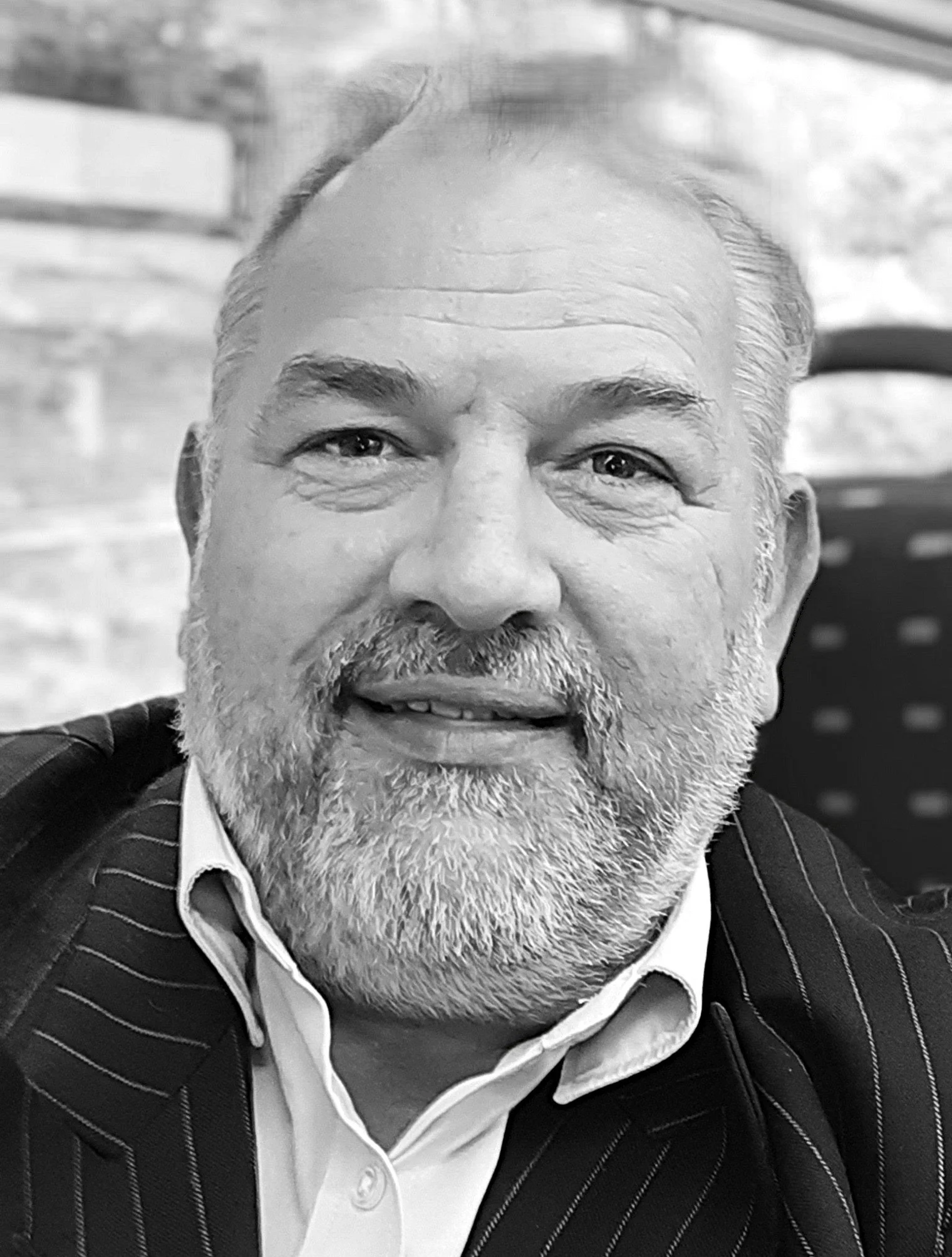
When founder Brian Martin was diagnosed with Parkinson’s, he saw first-hand how fragmented support could be — reactive, hard to navigate, and too often built around the condition rather than the person.
With more than 40 symptoms that can vary dramatically from person to person, Parkinson’s makes clear a wider truth: no two journeys are the same. That realisation became the foundation for NexaGen — a connected support model designed to make life with long-term conditions more personal, more joined-up and easier to navigate.
Brian’s lived experience ignited a movement of people who shared his vision, and together they’re building NexaGen to help everyone turn diagnosis into the start of a better, more connected and supported life.
Supported by



NexaGen is being shaped through lived experience, health insight, charity partnership, technology expertise and civil society collaboration.
How NexaGen helps